Colliding Crises: Youth Mental Health and Nicotine Use
by Nancy
Posted on 20-12-1444 06:27 م
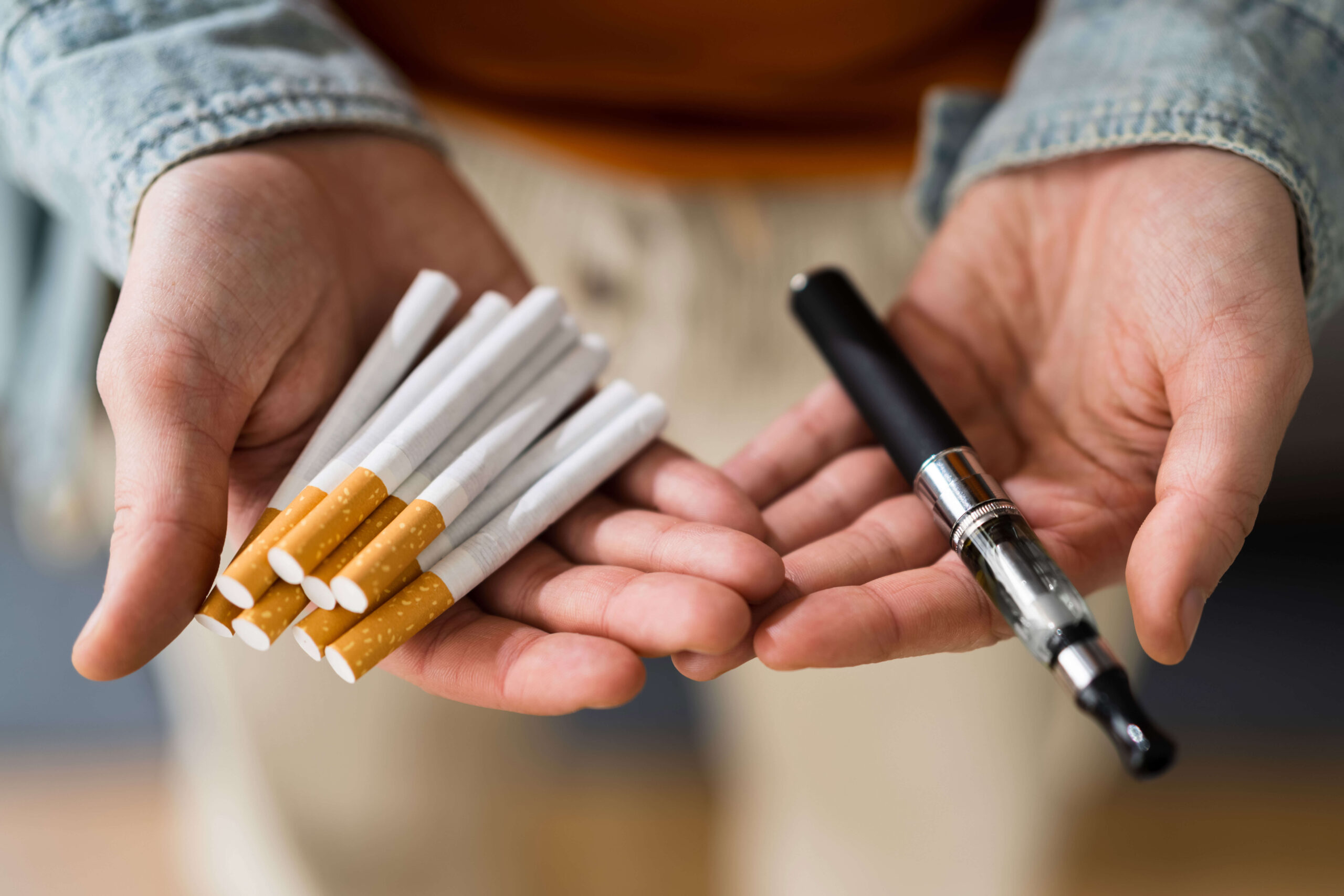
Many young people turn to nicotine to alleviate stress, anxiety, and depression, but it may be making them feel worse two health crises among youth — a mental health crisis and a vaping epidemic — pose increasing threats to a generation of young people. They are also linked in ways many may not realize, according to a body of peer-reviewed studies. Both crises have intensified during the covid-19 pandemic. Even before the pandemic, 70% of young people said anxiety and depression were a major problem among peers in their community, according to a pew research center report. Since then, the problem has gotten worse, as the prevalence of depression and anxiety symptoms in youth has doubled compared to before the pandemic.
It’s critical to recognize that the cycle of nicotine withdrawal, subsequent nicotine use, and alleviation of symptoms all starts with nicotine addiction in the first place. In addition, the tobacco industry has invested significant resources in marketing that connects tobacco use with mental well-being, stress-relief, relaxation, and pleasure. In its latest youth e-cigarette education effort, “it’s messing with our heads,” truth created a fake vaping company called depression stick! to expose nicotine’s role as a contributor to the worsening youth mental health crisis. Through a tiktok takeover , pop up shops, influencer unboxings and a hidden-camera style advertisement following its vp of marketing as he tries to “sell depression,” depression stick! underscores the mental health impact of real nicotine vape products like juul, vuse, blu, logic and njoy, the leading e-cigarette brands popular among youth.
Mental Health and COVID-19
Last year, truth(opens in a new tab) launched a campaign to bring attention to the connection between youth vaping and mental health. Their most recent effort — breath of stress air(opens in a new tab) — builds on that campaign, by busting the myth that vaping is a stress reliever. This latest campaign turns the idea of vaping nicotine for stress relief on its head. It’s no accident that this myth exists. The tobacco industry has used the illusion of nicotine being a stress reliever as a tool for decades, including during the covid-19 pandemic. When things started to go topsy-turvy, several vape companies leveraged the idea of providing an escape from what was going on to promote their products.
Washington, march 11, 2022 /prnewswire/ -- truth®, the proven-effective and nationally recognized youth smoking, vaping and nicotine prevention campaign from truth initiative, is expanding its groundbreaking it's messing with our heads : depression stick campaign that first exposed the connection between vaping nicotine and youth mental health. The new breath of stress air effort busts the fantasy that vaping nicotine is a stress reliever and calls the tobacco industry out for promoting e-cigarettes and vaping as a way to deal with stress, especially during the covid-19 pandemic, when in fact vaping nicotine can increase stress levels and amplify feelings of anxiety and depression.
YOUNG PEOPLE VAPE NICOTINE-CONTAINING E-CIGARETTES TO TRY TO COPE
Peer-reviewed research links nicotine use to the potential for worsening symptoms of anxiety and depression and increased odds of being diagnosed with depression , but many young people are unaware of this connection. In fact, according to truth initiative surveys , a large majority of young people who have used e-cigarettes started vaping because of feelings of stress, anxiety or depression, and many continue vaping to cope with these feelings. According to an august 2021 truth initiative survey, 4 in 5 young people who had vaped said they started to lessen their stress, anxiety or depression. Additional data from truth initiative’s continuous tracking survey also show that young people turn to nicotine to cope: 1 in 2 young people who frequently vape (vape 20 or more days in the past month) say they must vape to manage their stress and anxiety.
Vaping devices help in releasing psychological tension. So if you’re experiencing anxiety or stress, all the information in your brain will flow slower while you vape, and you’ll feel calmer. When you inhale smoke, your body will produce chemicals that cause your brain to slow down and pause. If you struggle with a mental illness like anxiety or depression, this technique is essential.
Vaping and mental health are related not just because of the mental effects of vaping on the brain. In addition, the reason young adults start vaping is often related to mental health. A truth initiative survey found that 4 out of 5 young adults begin vaping due to stress, anxiety, or depression. However, the negative impact of vaping far outweighs any temporary relief from mental health symptoms. Furthermore, if a young adult tries to quit vaping, they may experience increased anxiety and depression as part of withdrawal. Hence, they are less likely to try to reduce or stop their usage.